Are you ready to take control of your prostate health naturally?
As men age, issues related to prostate health become increasingly common, with Benign Prostatic Hyperplasia (BPH) affecting a significant percentage of the male population. The good news is that while some factors are unavoidable, a substantial amount of influence over your prostate health lies within your daily choices.
Embracing a proactive approach through diet and lifestyle changes can lead to remarkable improvements, helping you manage symptoms and maintain vitality. This article will guide you through evidence-based strategies, empowering you to make informed decisions for a healthier, happier prostate.
Understanding Benign Prostatic Hyperplasia (BPH)
Before diving into solutions, it's crucial to understand what BPH is and how it impacts your body.
Benign Prostatic Hyperplasia, or BPH, is a common condition characterized by the non-cancerous enlargement of the prostate gland. The prostate, a small gland located just below the bladder in men, plays a vital role in the male reproductive system by producing seminal fluid. As men age, typically starting in their 40s and 50s, the prostate can begin to grow, pressing against the urethra – the tube that carries urine from the bladder out of the body.
This pressure can lead to a range of uncomfortable and often disruptive urinary symptoms, commonly referred to as Lower Urinary Tract Symptoms (LUTS). These include frequent urination, especially at night (nocturia), a weak or interrupted urine stream, difficulty starting urination, dribbling at the end of urination, and the sensation of an incompletely emptied bladder. While BPH is not prostate cancer and does not increase the risk of developing it, its symptoms can significantly diminish a man's quality of life, affecting sleep, daily activities, and overall well-being. Understanding these symptoms is the first step towards seeking effective management and improving your prostate health naturally.
💡 Key Takeaway
BPH is a non-cancerous prostate enlargement common in aging men, leading to urinary discomfort. Recognizing these symptoms early is key to effective natural management.
The Foundation of Prostate Health: Your Diet
What you eat can have a profound impact on your prostate. Adopting a prostate-friendly diet is one of the most powerful steps you can take.
Embrace a Plant-Rich Diet
Fruits and vegetables are packed with antioxidants, vitamins, and minerals that protect cells from damage and reduce inflammation. Aim for a wide variety of colors to ensure a broad spectrum of nutrients. Specifically, cruciferous vegetables like broccoli, cauliflower, and kale contain compounds that support cellular health and detoxification pathways.
Berries, rich in antioxidants, and citrus fruits, high in Vitamin C, are also excellent choices. Incorporating these into your daily meals can significantly contribute to a healthier prostate environment.
Focus on Healthy Fats
Not all fats are created equal. Incorporate healthy fats from sources like avocados, nuts (walnuts, almonds), seeds (flaxseeds, pumpkin seeds), and olive oil. These are rich in omega-3 fatty acids and monounsaturated fats, known for their anti-inflammatory properties, which can be beneficial for reducing prostate inflammation.
Pumpkin seeds, in particular, are a powerhouse, containing high levels of zinc and phytosterols that have been linked to prostate health. Flaxseeds offer lignans and omega-3s, further bolstering their prostate-protective effects.
Prioritize Lean Proteins and Fish
Opt for lean protein sources such as poultry, fish, and legumes. Fatty fish like salmon, mackerel, and sardines are excellent sources of omega-3 fatty acids, which possess strong anti-inflammatory effects that can benefit the prostate. Limiting red meat, especially processed and high-fat cuts, has been associated with better prostate outcomes.
Plant-based proteins from beans, lentils, and tofu also offer a healthy alternative, contributing fiber and a host of beneficial micronutrients without the saturated fat often found in red meats.
Incorporate Lycopene-Rich Foods
Lycopene, a powerful antioxidant, has been extensively studied for its potential role in prostate health. Tomatoes, especially cooked tomatoes (like in sauce or paste), watermelon, pink grapefruit, and guava are excellent sources. Cooking tomatoes actually enhances the bioavailability of lycopene, making it easier for your body to absorb.
Regular consumption of these foods can contribute to cellular protection and may help reduce the risk of prostate issues. This is a simple yet effective dietary addition for long-term prostate well-being.
Limit Processed Foods, Red Meat, and Dairy
To support prostate health, it's equally important to know what to limit. Reduce your intake of processed foods, refined sugars, unhealthy trans fats, and excessive amounts of red and processed meats. These can contribute to inflammation and oxidative stress, potentially exacerbating prostate issues. Some studies also suggest a link between high dairy intake and an increased risk of prostate problems.
Making conscious choices to minimize these items can create a more beneficial environment for your prostate and overall health. Focus on whole, unprocessed foods as the cornerstone of your diet.
Lifestyle Adjustments for Optimal Prostate Function
Beyond diet, your daily habits play a crucial role in maintaining a healthy prostate and managing BPH symptoms.
Incorporating specific lifestyle changes can significantly improve your quality of life and support prostate health. One of the most impactful changes is engaging in regular physical activity. Exercise helps maintain a healthy weight, which is vital as obesity is a known risk factor for prostate enlargement and other prostate issues. Both aerobic exercises, like brisk walking or swimming, and strength training can improve circulation, reduce inflammation, and support hormonal balance. Furthermore, targeted exercises like Kegel exercises can strengthen pelvic floor muscles, which may help improve bladder control and reduce urinary leakage associated with BPH.
Maintaining a healthy weight is paramount. Excess fat, particularly around the abdomen, can increase inflammation and alter hormone levels, potentially contributing to prostate problems. A balanced diet combined with regular exercise is the most effective strategy for weight management. Additionally, stress management techniques are often overlooked but incredibly important. Chronic stress can impact your entire body, including hormonal regulation, which can indirectly affect prostate health. Practices such as meditation, yoga, deep breathing exercises, and spending time in nature can significantly reduce stress levels.
Adequate hydration is also key, but it's important to manage fluid intake strategically. While drinking enough water is essential for overall health, avoid excessive fluid intake close to bedtime to reduce nighttime urination. Limiting or avoiding caffeine and alcohol, especially in the evening, can also make a significant difference, as these substances are diuretics and can irritate the bladder, exacerbating BPH symptoms. Developing regular urination habits, such as "double voiding" (urinating, waiting a few moments, and then trying again) and not holding urine for too long, can help train your bladder and reduce discomfort.
For more insights on managing specific symptoms, you might be interested in reading our article on best supplement for nighttime urination, which offers targeted advice.
Key Nutrients and Their Role in Prostate Health
Beyond general dietary guidelines, specific nutrients have been identified for their direct benefits to prostate health.
Zinc
Zinc is a crucial mineral found in high concentrations in the prostate gland. It plays a vital role in cellular function, immune response, and hormone metabolism. Studies suggest that men with BPH often have lower zinc levels in their prostate tissue. Good dietary sources include pumpkin seeds, oysters, beef, and beans. Supplementing with zinc may help support normal prostate cell growth and function.
Selenium
This powerful antioxidant mineral helps protect cells from oxidative damage, which is a factor in many chronic diseases, including prostate issues. Selenium is involved in DNA repair and the immune system. Brazil nuts are an exceptional source of selenium, along with seafood, poultry, and whole grains. Adequate selenium intake is associated with a reduced risk of prostate problems.
Vitamin D
Often referred to as the "sunshine vitamin," Vitamin D plays a critical role in cell growth regulation and immune function. Research indicates a potential link between low Vitamin D levels and increased risk of prostate enlargement and other prostate conditions. Sun exposure is the primary source, but fatty fish, fortified foods, and supplements can also contribute to adequate levels.
Omega-3 Fatty Acids
Found abundantly in fatty fish (salmon, mackerel, sardines), flaxseeds, and walnuts, omega-3 fatty acids are renowned for their potent anti-inflammatory properties. Chronic inflammation is believed to contribute to prostate enlargement and discomfort. Increasing omega-3 intake can help mitigate this inflammation, promoting a healthier prostate environment.
Phytosterols (e.g., Beta-Sitosterol)
These plant compounds have a structure similar to cholesterol and are found in many plant foods, including nuts, seeds, and vegetables. Beta-Sitosterol, in particular, has been extensively studied for its ability to improve urinary flow and reduce residual urine volume in men with BPH symptoms. It is believed to work by reducing inflammation and supporting bladder function.
Saw Palmetto
Saw Palmetto is one of the most popular herbal remedies for prostate health. Extracts from its berries are thought to help reduce BPH symptoms by influencing hormone levels and reducing inflammation in the prostate gland. While research results vary, many men report significant improvements in urinary flow and a reduction in nighttime urination when using Saw Palmetto.
The Role of Natural Supplements: Introducing PotentStream
While diet and lifestyle are fundamental, natural supplements can offer targeted support for prostate health, especially for men experiencing BPH symptoms.
For many men seeking comprehensive prostate support, natural supplements offer a convenient way to ensure adequate intake of beneficial nutrients and herbal extracts. These supplements are often formulated to address common BPH symptoms, such as frequent urination, weak stream, and incomplete bladder emptying, by targeting inflammation, hormonal balance, and prostate cell health. They work synergistically with a healthy diet and lifestyle, providing an extra layer of defense and support.
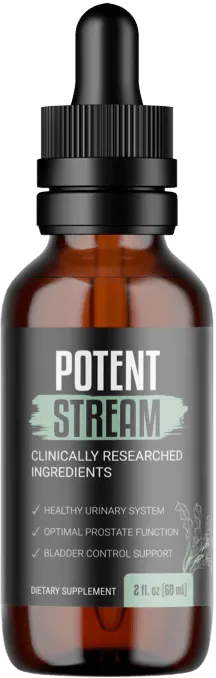
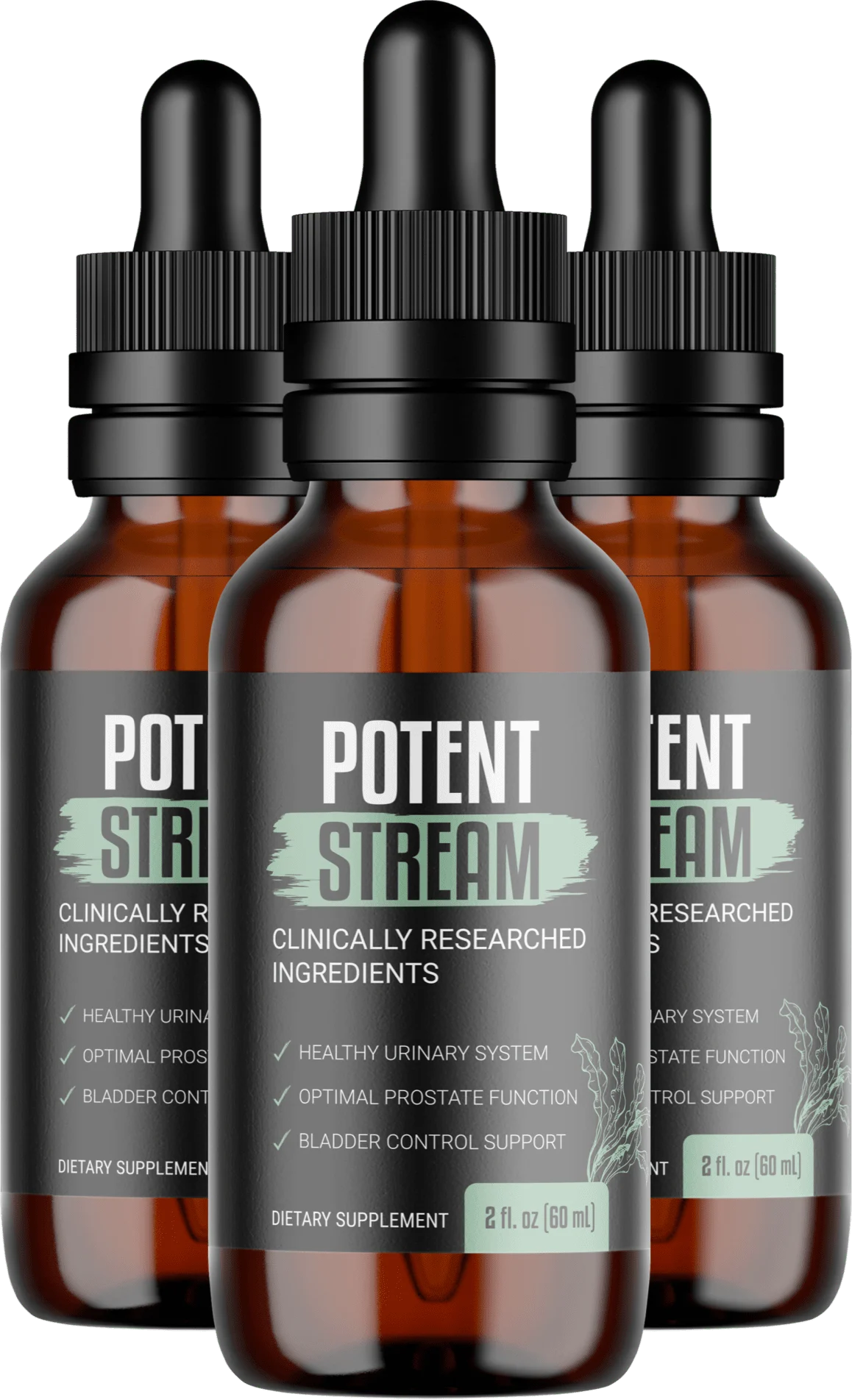
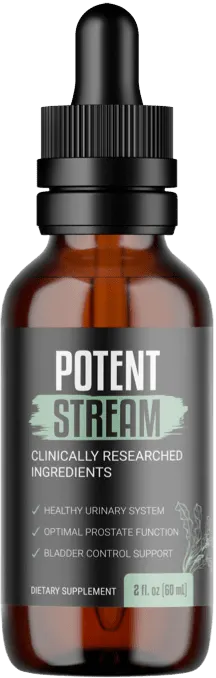
One such supplement designed to support prostate and urinary health is PotentStream. PotentStream is formulated with a blend of natural ingredients, including those rich in the key nutrients and compounds discussed above, aiming to provide comprehensive support for men concerned about their prostate. It focuses on addressing the root causes of prostate discomfort, helping to reduce inflammation, support healthy urine flow, and promote overall prostate vitality.
PotentStream is crafted with a focus on purity and potency, utilizing ingredients that are carefully selected for their potential benefits. It represents a modern approach to managing prostate health naturally, offering an accessible option for men looking to enhance their well-being. For those considering a supplement, it's always advisable to consult with a healthcare professional to ensure it aligns with your individual health needs. You can explore more about personal experiences and results by reading PotentStream reviews and real results from satisfied users.
Experience the Difference with PotentStream: Your Natural Prostate Solution
PotentStream offers a unique blend of natural ingredients designed to support prostate health and alleviate common urinary symptoms associated with BPH. Take a proactive step towards greater comfort and well-being.
- ✓ Supports healthy urine flow
- ✓ Reduces frequent nighttime urination
- ✓ Promotes complete bladder emptying
- ✓ Made with 100% natural, plant-based ingredients
- ✓ Backed by a 60-day money-back guarantee




What Our Customers Are Saying
"I was constantly getting up at night, sometimes 4-5 times. Since starting PotentStream, I'm down to 1-2 times, and some nights, none! It's been a game-changer for my sleep and overall energy."
"My stream was so weak, and I always felt like I couldn't fully empty my bladder. After a few weeks on PotentStream, I've noticed a significant improvement in flow and feel much more relieved after using the restroom."
"I was skeptical at first, but the natural ingredients convinced me to try it. I'm so glad I did! My urgency has decreased, and I feel more comfortable throughout the day. Definitely recommend it to anyone with prostate concerns."
Integrating Natural Strategies for Long-Term Prostate Health
Achieving and maintaining optimal prostate health is an ongoing journey that benefits most from a holistic and consistent approach.
The strategies outlined in this article – a nutrient-rich diet, active lifestyle, stress management, and targeted natural supplementation – are not isolated solutions but rather interconnected components of a comprehensive prostate wellness plan. Consistency is key; small, sustainable changes over time yield the most significant and lasting benefits. It’s about building habits that support your body’s natural ability to maintain health and function.
Remember, while natural approaches are powerful, they should always complement, not replace, professional medical advice. Regular check-ups with your doctor are essential for monitoring prostate health, especially as you age. Your physician can help you understand your specific condition, rule out other potential issues, and guide you in integrating natural strategies safely and effectively into your overall health regimen. Embracing these natural approaches empowers you to take an active role in your health, leading to improved comfort, better sleep, and a higher quality of life. For further exploration into supplements, consider our guide on best prostate health supplement options available today.
Frequently Asked Questions
What is Benign Prostatic Hyperplasia (BPH)?
+Benign Prostatic Hyperplasia (BPH) is a common, non-cancerous enlargement of the prostate gland that affects many men as they age. It can lead to uncomfortable urinary symptoms, such as frequent urination, weak stream, and difficulty emptying the bladder. While not life-threatening, BPH can significantly impact quality of life.
Which foods are best for prostate health?
+A diet rich in fruits, vegetables (especially leafy greens and cruciferous vegetables), healthy fats like those found in avocados and nuts, and lean proteins is highly beneficial. Foods high in lycopene (tomatoes), zinc (pumpkin seeds), and omega-3 fatty acids (fatty fish) are particularly recommended for supporting prostate health.
Can lifestyle changes truly impact BPH symptoms?
+Absolutely. Regular physical activity, maintaining a healthy weight, managing stress through techniques like meditation, ensuring adequate hydration, and limiting alcohol and caffeine intake can all significantly alleviate BPH symptoms and support overall prostate health. These changes are foundational to natural prostate care.
Are natural supplements effective for prostate health?
+Many men find natural supplements to be a supportive part of their prostate health regimen. Ingredients like Saw Palmetto, Beta-Sitosterol, Zinc, and Selenium are commonly studied for their potential to reduce BPH symptoms and promote prostate well-being. Always consult with a healthcare professional before starting any new supplement.
How does PotentStream support prostate health?
+PotentStream is formulated with a blend of natural ingredients, including specific plant extracts and essential minerals, traditionally recognized for their roles in supporting prostate function and urinary health. It aims to help reduce common BPH symptoms like frequent nighttime urination, improve urine flow, and support overall prostate gland vitality. It is designed as a complementary approach to a healthy lifestyle.
When should I see a doctor about my prostate symptoms?
+It's crucial to consult a doctor if you experience any urinary symptoms, such as difficulty urinating, frequent urges, a weak stream, or blood in your urine. While many symptoms relate to BPH, they can also indicate other conditions that require medical attention. Early diagnosis and treatment are vital for managing prostate conditions effectively.
Related Articles